The Great Gatsby has always spoken to me as a mirror of love’s most beautiful and dangerous illusions.
When you read it closely, you begin to see how desire shapes truth and distorts reality.
You and I both know love can feel like a dream, and this novel captures that feeling perfectly.
Every line carries emotional weight that lingers long after the story ends.
In Gatsby’s world, love is not simple it is layered with hope, loss, and obsession.
As we explore these quotes, you will feel how deeply psychology and emotion intertwine in Fitzgerald’s writing.
This journey will help you understand love not just as romance, but as human longing itself.
Love as an Illusion in The Great Gatsby
- “Love often appears brighter when seen through the lens of longing rather than reality.”
Explanation:
This reflects how Gatsby idealizes Daisy beyond truth.
Psychologically, desire often reshapes memory into fantasy.
:
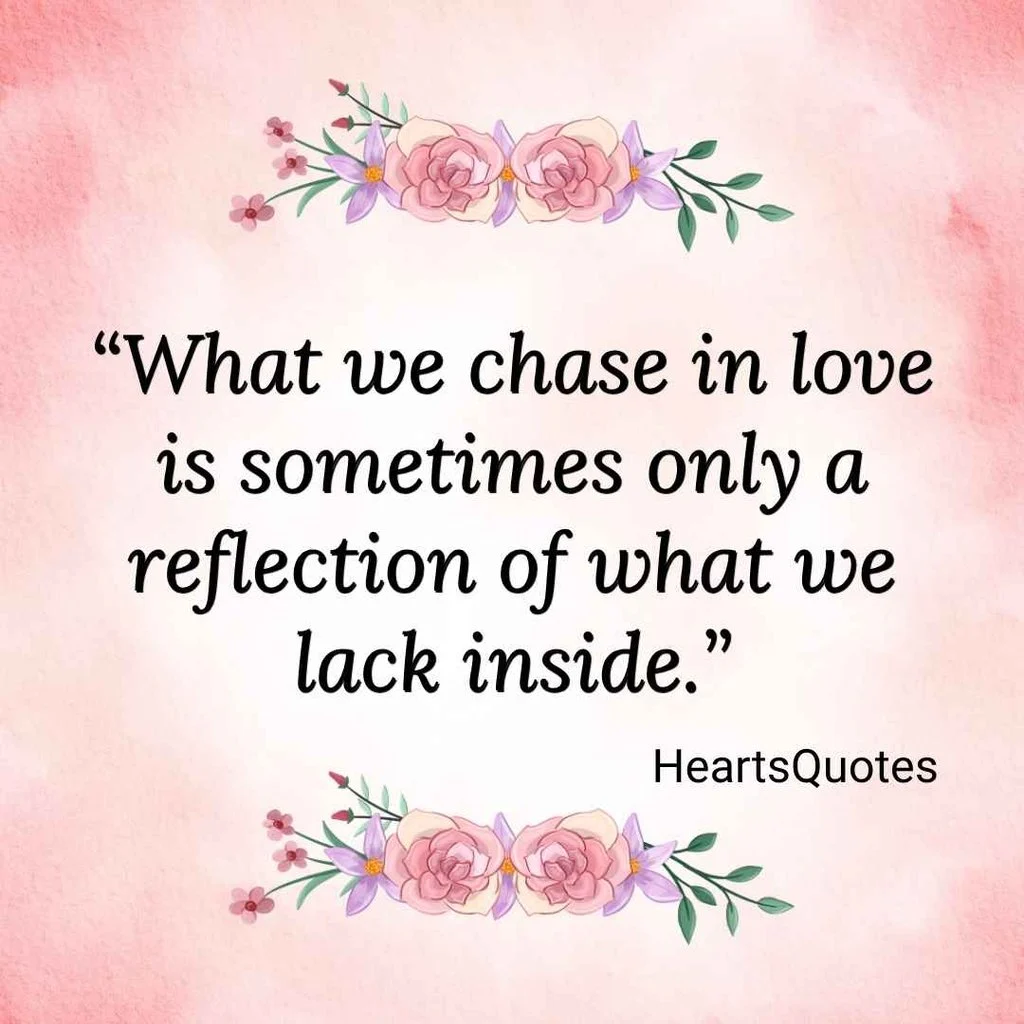
- “What we chase in love is sometimes only a reflection of what we lack inside.”
Explanation:
Gatsby’s pursuit of Daisy symbolizes inner emptiness.
Humans often project unmet needs onto romantic partners.
:
- “Illusion becomes powerful when the heart refuses to accept reality.”
Explanation:
Gatsby builds a dream world around his love for Daisy.
Denial often strengthens emotional attachment.
:
- “Love can turn into a story we tell ourselves, not what truly exists.”
Explanation:
Nick observes Gatsby’s romantic self-deception.
Narratives often override factual experience in emotions.
:
- “The brighter the dream, the harder it is to wake from it.”
Explanation:
Gatsby’s dream of Daisy consumes his identity.
Deep emotional investment reduces rational perception.
:
- “Sometimes love is not found but imagined into existence.”
Explanation:
Gatsby constructs an ideal version of Daisy.
Fantasy formation is a defense against loneliness.
:
- “We don’t always love people—we love the idea of them.”
Explanation:
Gatsby confuses Daisy’s reality with perfection.
Idealization replaces authentic connection in psychology.
:
- “The heart often chooses fantasy over truth.”
Explanation:
Gatsby ignores Daisy’s flaws and past.
Cognitive bias strengthens emotional attachment.
:
- “Love becomes dangerous when reality is no longer welcomed.”
Explanation:
Gatsby’s refusal to accept truth leads to tragedy.
Denial creates emotional instability and obsession.
:
- “Dreams of love can feel more real than life itself.”
Explanation:
Gatsby’s dream world dominates his actions.
Imagination can override sensory experience.
:
Obsession and Emotional Attachment in Gatsby’s Love
- “Obsession begins where understanding ends.”
Explanation:
Gatsby cannot truly understand Daisy’s present self.
Psychological fixation replaces emotional clarity.
:
- “Love deepens when it turns into a need rather than a feeling.”
Explanation:
Gatsby’s love becomes dependency, not affection.
Emotional dependency often leads to instability.
:
- “The more unreachable love becomes, the stronger it feels.”
Explanation:
Distance increases Gatsby’s emotional intensity.
Scarcity intensifies desire in human psychology.
:
- “Attachment without reality becomes emotional imprisonment.”
Explanation:
Gatsby is trapped by his idealized memory of Daisy.
Unrealistic attachment limits personal freedom.
:
- “Sometimes the heart refuses to let go even when truth demands it.”
Explanation:
Gatsby ignores reality for emotional comfort.
Cognitive dissonance fuels emotional persistence.
:
- “Obsession turns love into a silent form of suffering.”
Explanation:
Gatsby’s longing causes internal emotional pain.
Fixation often replaces healthy emotional balance.
:
- “The past becomes a cage when love refuses to move forward.”
Explanation:
Gatsby is emotionally stuck in earlier memories.
Attachment to past prevents psychological growth.
:
- “When love is not returned, obsession fills the gap.”
Explanation:
Gatsby’s unreciprocated love deepens fixation.
Rejection often intensifies emotional pursuit.
:
- “Desire grows strongest where closure never exists.”
Explanation:
Gatsby never finds emotional resolution with Daisy.
Unresolved emotions sustain psychological loops.
:
- “The heart can imprison itself with its own longing.”
Explanation:
Gatsby’s emotions trap him in fantasy.
Self-created emotional loops are hard to break.
:
The Symbolism of Daisy and Romantic Desire
- “Daisy represents not just love, but the dream of perfection.”
Explanation:
Gatsby views Daisy as flawless and pure.
Perfection ideals often distort romantic perception.
:
- “She becomes more symbol than person in Gatsby’s eyes.”
Explanation:
Daisy loses individuality in Gatsby’s imagination.
Symbolic thinking replaces real human connection.
:
- “Romantic desire often transforms people into ideas.”
Explanation:
Gatsby stops seeing Daisy as a real woman.
Idealization reduces relational authenticity.
:
- “What we call love is sometimes just admiration in disguise.”
Explanation:
Gatsby admires Daisy more than truly knows her.
Admiration can mimic emotional attachment.
:
- “Symbols of love often outgrow the people they represent.”
Explanation:
Daisy becomes larger than her real identity.
Meaning distortion is common in romantic psychology.
:
- “The beauty of desire lies in its imagination, not its truth.”
Explanation:
Gatsby’s desire is fueled by fantasy.
Imagination intensifies emotional experience.
:
- “We chase symbols because reality feels too ordinary.”
Explanation:
Gatsby prefers an ideal over real connection.
Escapism is a defense against dissatisfaction.
:
- “Love becomes poetry when the person becomes a dream.”
Explanation:
Daisy transforms into a poetic ideal in Gatsby’s mind.
Romanticization enhances emotional intensity.
:
- “In Gatsby’s world, Daisy is a promise, not a person.”
Explanation:
He associates her with future fulfillment.
Expectation often replaces reality in love.
:
- “Symbolic love is beautiful but rarely stable.”
Explanation:
Gatsby’s love lacks grounding in reality.
Abstract affection is emotionally fragile.
:
Time, Memory, and Lost Love
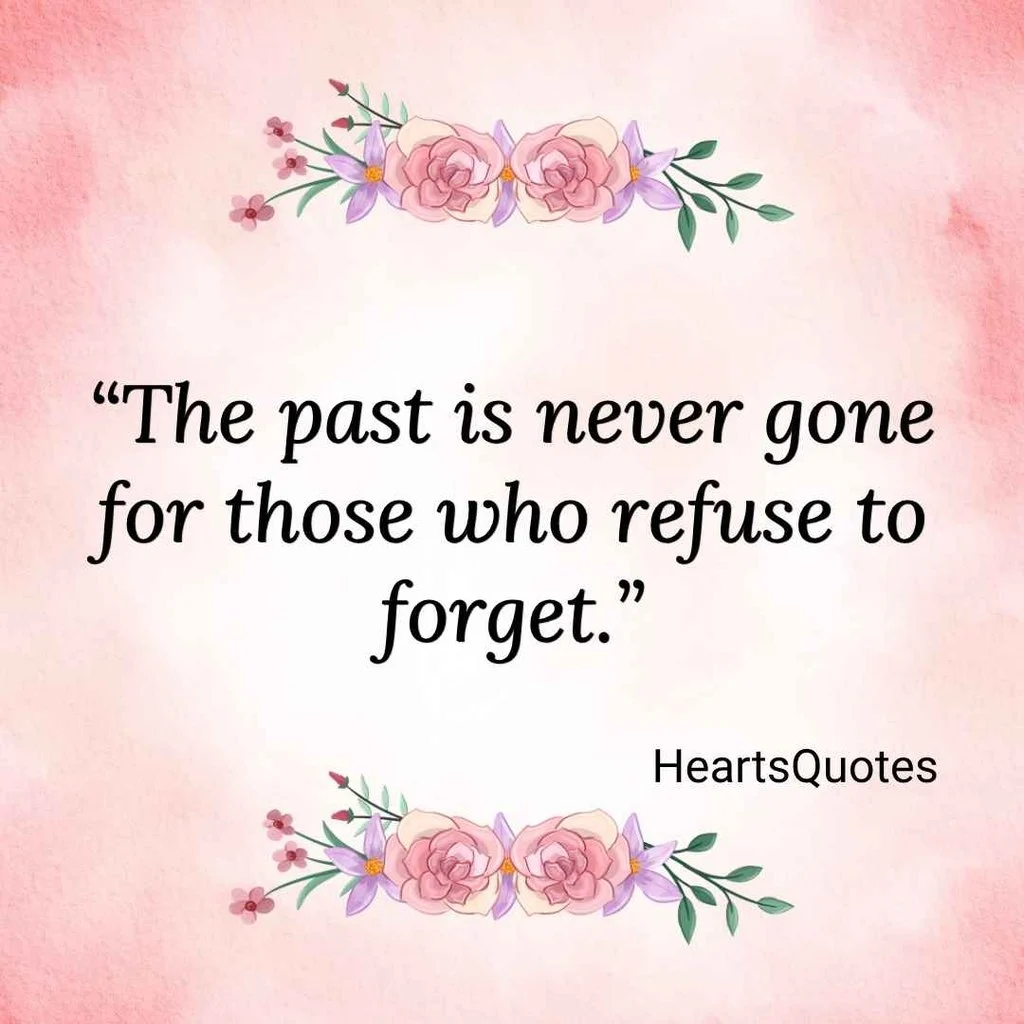
- “The past is never gone for those who refuse to forget.”
Explanation:
Gatsby lives emotionally in past memories.
Memory fixation prevents present awareness.
:
- “Love becomes heavier when carried across time.”
Explanation:
Gatsby’s love grows with nostalgia.
Time amplifies emotional attachment.
:
- “Memory can rebuild love stronger than reality ever could.”
Explanation:
Gatsby’s recollections idealize Daisy.
Selective memory enhances emotional bias.
:
- “Time does not heal love that refuses to move forward.”
Explanation:
Gatsby remains emotionally frozen.
Psychological stagnation prolongs grief.
:
- “What is lost in time becomes perfect in memory.”
Explanation:
Gatsby forgets Daisy’s imperfections.
Memory distortion enhances idealization.
:
- “The heart often lives in yesterday while the world moves on.”
Explanation:
Gatsby is disconnected from present reality.
Temporal dissonance creates emotional suffering.
:
- “Nostalgia can turn love into a haunting echo.”
Explanation:
Gatsby is haunted by past romance.
Nostalgia reinforces emotional loops.
:
- “We remember love not as it was, but as we wish it had been.”
Explanation:
Gatsby reconstructs emotional history.
Wishful recall alters perception.
:
- “Time strengthens longing but weakens truth.”
Explanation:
Gatsby’s longing grows with distance.
Memory erosion changes factual accuracy.
:
- “Some love stories survive only in memory, not reality.”
Explanation:
Gatsby’s love exists mainly in imagination.
Memory-based love lacks present grounding.
:
Tragic Reality of Love in The Great Gatsby
- “Love without truth always leads to heartbreak.”
Explanation:
Gatsby’s illusion ends in tragedy.
Truth is essential for emotional stability.
:
- “The pursuit of love can destroy the one who chases it.”
Explanation:
Gatsby’s obsession leads to downfall.
Excessive pursuit increases emotional risk.
:
- “Not all love stories are meant to survive reality.”
Explanation:
Gatsby and Daisy’s relationship is fragile.
Compatibility determines emotional longevity.
:
- “Dreams collapse when they collide with truth.”
Explanation:
Gatsby’s fantasy cannot survive reality.
Reality testing is essential in psychology.
:
- “The heart breaks most when it refuses to accept limits.”
Explanation:
Gatsby ignores emotional boundaries.
Denial increases psychological pain.
:
- “Love becomes tragedy when hope outgrows possibility.”
Explanation:
Gatsby’s hope exceeds reality.
Unrealistic optimism leads to disappointment.
:
- “Some passions end not in love, but in loss.”
Explanation:
Gatsby’s passion results in destruction.
Intensity does not guarantee success.
:
- “Truth is the final answer love cannot escape.”
Explanation:
Gatsby’s story ends with harsh reality.
Truth ultimately overrides illusion.
:
- “The deeper the illusion, the harder the fall.”
Explanation:
Gatsby’s emotional collapse is severe.
Strong beliefs intensify emotional impact.
:
- “Every dream of love carries the risk of heartbreak.”
Explanation:
Gatsby’s dream becomes his downfall.
Risk is inherent in emotional investment.
:
The Psychology of Gatsby’s Romantic Love
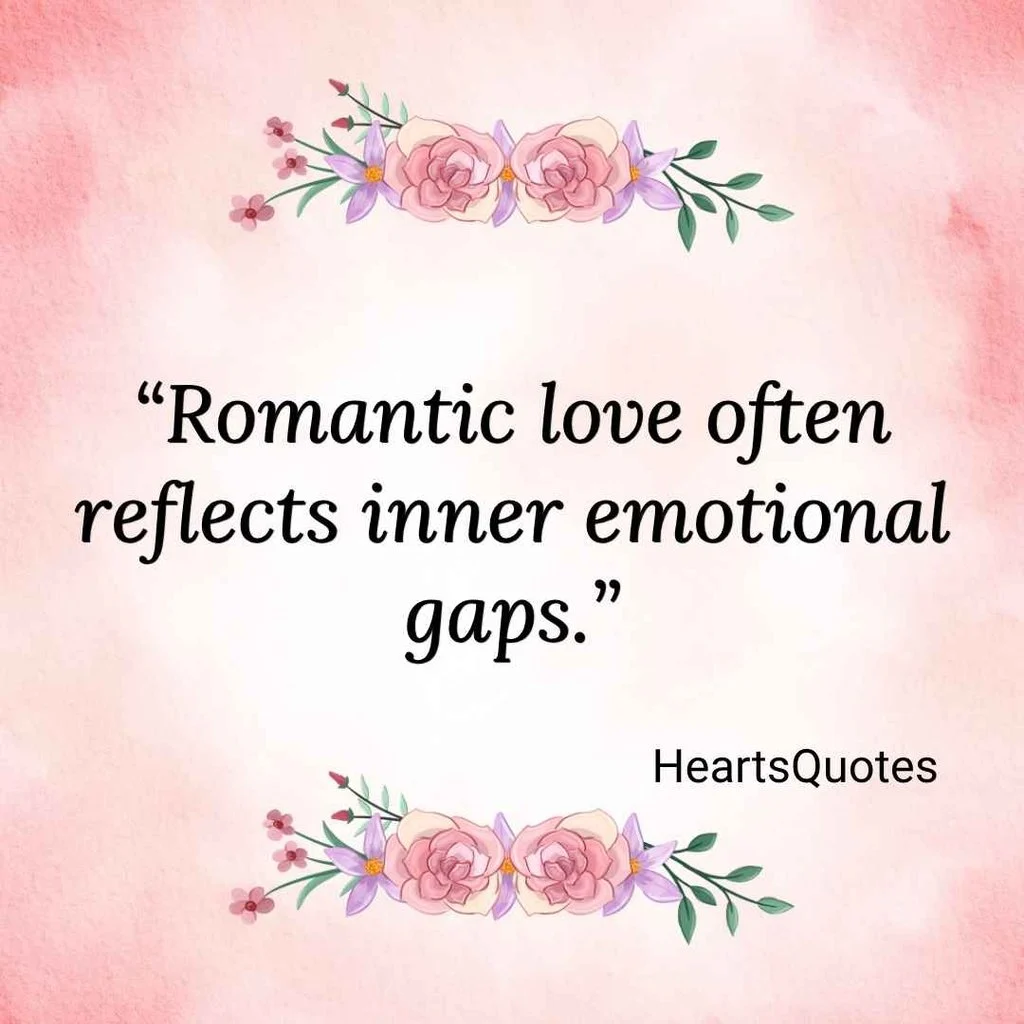
- “Romantic love often reflects inner emotional gaps.”
Explanation:
Gatsby’s love fills personal emptiness.
Attachment theory explains emotional projection.
:
- “We love not only people, but what they represent in us.”
Explanation:
Daisy symbolizes Gatsby’s aspiration.
Projection shapes romantic meaning.
:
- “Emotion can override logic when desire is strong.”
Explanation:
Gatsby ignores rational judgment.
Emotion often dominates decision-making.
:
- “Love becomes identity when it consumes the self.”
Explanation:
Gatsby defines himself through Daisy.
Over-identification leads to dependency.
:
- “Desire is stronger when it is tied to hope.”
Explanation:
Gatsby’s hope fuels persistence.
Hope intensifies motivational drive.
:
- “Romantic longing is a powerful psychological force.”
Explanation:
Gatsby’s behavior is driven by longing.
Longing sustains emotional engagement.
:
- “We build emotional worlds to survive disappointment.”
Explanation:
Gatsby escapes into fantasy.
Defense mechanisms protect self-esteem.
:
- “Love becomes a mirror of internal psychology.”
Explanation:
Gatsby’s emotions reflect inner needs.
Relationships often reveal self-concept.
:
- “The mind can create love stronger than reality.”
Explanation:
Gatsby’s imagination shapes his feelings.
Cognitive construction influences emotion.
:
- “Every obsession begins as an innocent emotion.”
Explanation:
Gatsby’s love starts as admiration.
Emotional escalation leads to fixation.
:
Frequently Asked Questions
What is the main love theme in The Great Gatsby?
It explores idealized love versus reality-driven relationships.
Why is Gatsby’s love for Daisy so tragic?
Because it is based on illusion rather than truth.
Is Gatsby’s love real or fantasy?
It is a blend of real emotion and powerful fantasy.
What does Daisy symbolize in Gatsby’s love story?
She represents wealth, hope, and unattainable perfection.
Conclusion
The Great Gatsby shows how love can become both beautiful and destructive.
Gatsby’s story reveals the emotional danger of idealization and obsession.
You and I can learn that real love needs truth, not fantasy.
Every quote reflects a psychological layer of longing and loss.
In the end, love survives only when reality is accepted with the heart.

I am Ethan Whitmore, a writer who believes that words have the power to inspire, motivate, and bring people closer to their dreams. I love creating meaningful content that captures emotions, life lessons, and moments of reflection. My writing focuses on confidence, personal growth, relationships, and the simple truths that make life beautiful.
Through my books, I share stories and ideas that encourage readers to stay strong, embrace challenges, and find inspiration in everyday experiences. My goal is to create words that connect with hearts and leave a lasting impact.
Books by Ethan Whitmore:
- The Confidence Edge: Bold Moves for Unshakable Self-Belief
- Resilient by Design: Proven Strategies to Thrive Through Life’s Challenges
 Amelia Hartwell
 lio massi