I still love you, even when I try to convince myself that I have moved on. Some feelings do not disappear just because time passes. I think of you in quiet moments, remember the little things, and wonder if you ever think of me too.
Sometimes, I wish I could tell you everything my heart still holds. I still love you, not because I expect you to come back, but because what I felt for you was real. You may be far away now, but a part of my heart still whispers your name, hoping that somehow, you understand what you meant to me.
If you have ever loved someone you could not forget, you already know how complicated the heart can be. I wrote these “I still love you” quotes for those moments when I cannot find the right words, but I still have so much left to say.
Emotional I Still Love You Quotes After Breakup
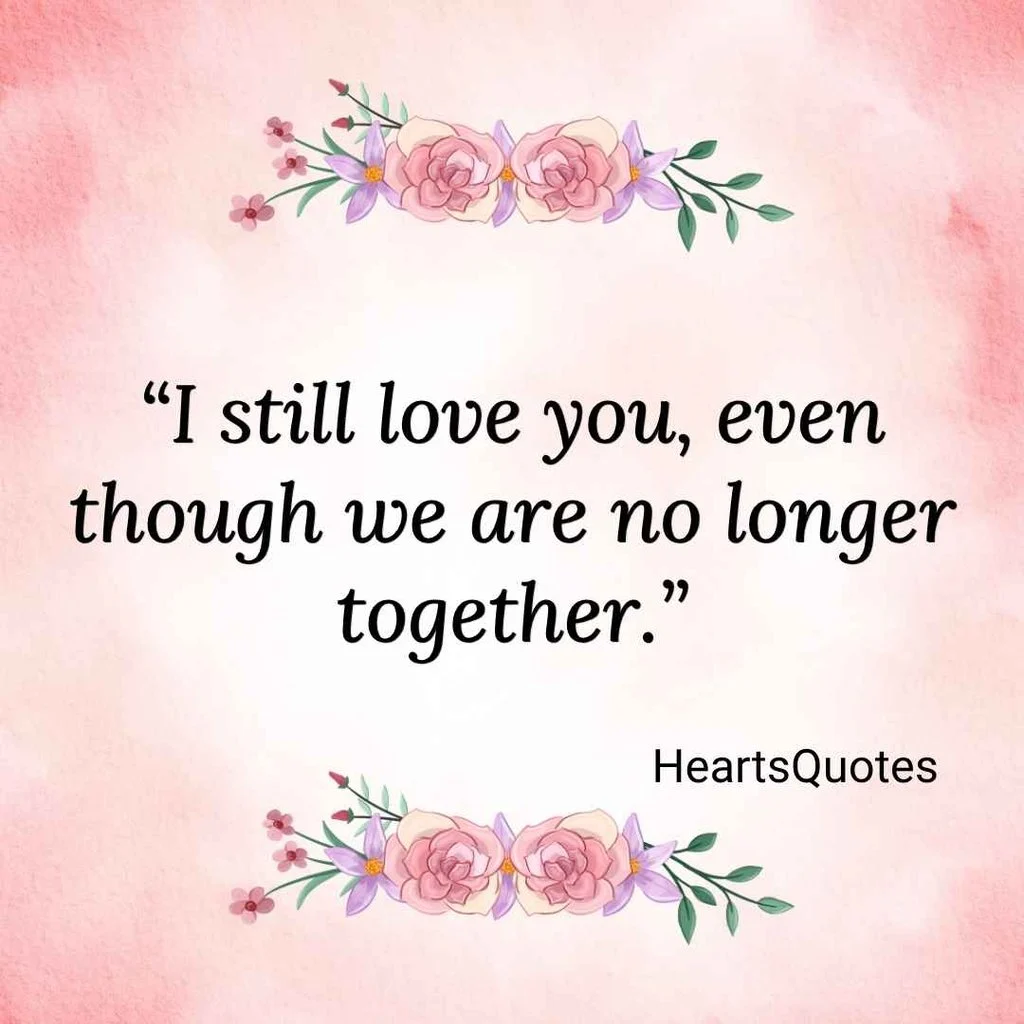
- “I still love you, even though we are no longer together.”
Explanation
This reflects emotional attachment that survives separation.
It shows how love can exist beyond physical presence.
: - “My heart forgot how to stop loving you.”
Explanation
It highlights emotional conditioning after deep bonding.
Psychologically, love becomes a habitual neural pattern.
: - “I still love you more than I should.”
Explanation
This expresses inner conflict between logic and emotion.
It reveals imbalance between attachment and acceptance.
: - “Even after goodbye, I still love you silently.”
Explanation
Silence often carries the deepest emotional weight.
Unspoken love becomes internalized grief.
: - “Distance didn’t erase what I feel for you.”
Explanation
Emotional memory often overrides physical separation.
Love persists through psychological imprinting.
: - “I still love you, even in your absence.”
Explanation
Absence intensifies emotional longing and recall.
The mind recreates presence through memory loops.
: - “Letting go never meant I stopped loving you.”
Explanation
Detachment does not always equal emotional loss.
Love can coexist with separation.
: - “I still love you, though I pretend I don’t.”
Explanation
This reveals emotional suppression and defense mechanisms.
Denial is often used to protect inner vulnerability.
: - “My silence still whispers that I love you.”
Explanation
Silence becomes a symbolic form of communication.
Unspoken emotions still seek expression.
: - “I still love you, even when it hurts me.”
Explanation
Love and pain often coexist in emotional attachment.
This shows emotional dependency patterns.
:
Deep Romantic I Still Love You Quotes for Her
- “I still love you like the first time I saw you.”
Explanation
First impressions create strong emotional encoding.
Romantic memory remains vivid over time.
: - “I still love you, and that never changed.”
Explanation
Consistency of emotion reflects deep attachment.
True love resists temporal decay.
: - “I still love you more than words can hold.”
Explanation
Some emotions exceed linguistic expression.
Love becomes a non-verbal experience.
: - “I still love you, even in my dreams.”
Explanation
Subconscious mind preserves emotional connections.
Dreams reflect unresolved emotional bonds.
: - “I still love you as if time never passed.”
Explanation
Time distortion occurs in emotional memory.
Love feels timeless in deep attachment.
: - “I still love you, no matter where life takes me.”
Explanation
Love becomes independent of circumstance.
Emotional permanence defines deep bonding.
: - “I still love you, even in your silence.”
Explanation
Silence can intensify emotional interpretation.
It creates space for longing and projection.
: - “I still love you like nothing ever broke us.”
Explanation
Idealization helps preserve emotional continuity.
The mind resists painful reality shifts.
: - “I still love you, more than yesterday.”
Explanation
Love can grow even after separation.
Memory reinforcement strengthens emotional ties.
: - “I still love you, and I always will.”
Explanation
This represents emotional permanence and loyalty.
It reflects unconditional romantic attachment.
:
Painful Heartbreak I Still Love You Quotes

- “I still love you, and it breaks me every day.”
Explanation
Love becomes a source of emotional pain.
Heartbreak activates deep emotional distress pathways.
: - “I still love you, even though it destroys me.”
Explanation
This reflects self-sacrificial emotional patterns.
Attachment overrides self-protection instincts.
: - “I still love you in the middle of my pain.”
Explanation
Emotional pain and love coexist in grief stages.
The heart struggles with unresolved attachment.
: - “I still love you, even when I shouldn’t.”
Explanation
Conflict between morality and emotion arises.
This shows cognitive-emotional dissonance.
: - “I still love you, but it feels like losing myself.”
Explanation
Over-attachment can blur identity boundaries.
Emotional dependency affects self-concept.
: - “I still love you, and it hurts to admit it.”
Explanation
Denial and acceptance struggle internally.
Truth becomes emotionally heavy to express.
: - “I still love you, even through my tears.”
Explanation
Emotional release is part of healing grief.
Tears symbolize unresolved attachment.
: - “I still love you, though it tears me apart.”
Explanation
Emotional fragmentation occurs in heartbreak.
Love becomes a source of internal conflict.
: - “I still love you, even in my brokenness.”
Explanation
Broken emotional states still hold attachment.
Love persists through psychological damage.
: - “I still love you, but I’m learning to survive.”
Explanation
Survival indicates beginning of emotional recovery.
Healing coexists with lingering love.
:
Hopeful I Still Love You Quotes for Reconnection
- “I still love you, hoping one day you return.”
Explanation
Hope sustains emotional attachment over time.
The mind anticipates possible reconciliation.
: - “I still love you, maybe fate will bring us back.”
Explanation
Belief in destiny supports emotional endurance.
Hope reduces emotional finality.
: - “I still love you, and I still believe in us.”
Explanation
Shared identity remains emotionally active.
Belief sustains relational hope.
: - “I still love you, waiting for another chance.”
Explanation
Waiting reflects unresolved emotional commitment.
Time becomes a space of expectation.
: - “I still love you, even if it takes forever.”
Explanation
Patience reflects deep emotional investment.
Love transcends temporal limitations.
: - “I still love you, hoping you feel the same.”
Explanation
Reciprocity is a core emotional need.
Uncertainty fuels emotional longing.
: - “I still love you, and I won’t give up on us.”
Explanation
Persistence reflects emotional resilience.
Attachment strengthens under uncertainty.
: - “I still love you, believing in second chances.”
Explanation
Second chances represent emotional renewal.
Hope redefines relationship outcomes.
: - “I still love you, waiting beyond time.”
Explanation
Time becomes irrelevant in deep longing.
Emotional endurance exceeds logic.
: - “I still love you, because some love never ends.”
Explanation
Endless love suggests psychological permanence.
Emotional bonds persist beyond closure.
:
Psychological Healing I Still Love You Quotes
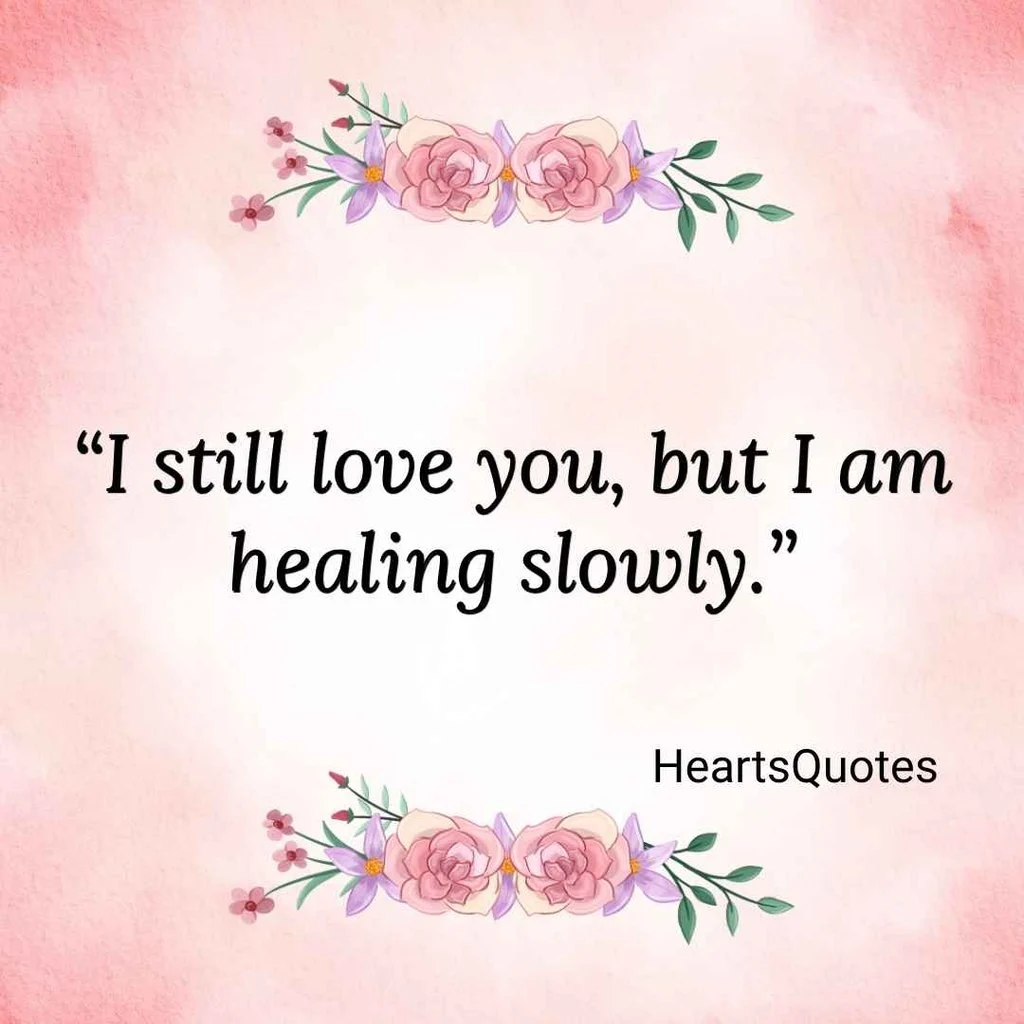
- “I still love you, but I am healing slowly.”
Explanation
Healing does not erase emotional memory.
Love gradually transforms into acceptance.
: - “I still love you, but I choose peace now.”
Explanation
Peace reflects emotional maturity and boundaries.
It shows a conscious detachment process.
: - “I still love you, and I’m learning to let go.”
Explanation
Letting go is a gradual psychological process.
Attachment weakens through self-awareness.
: - “I still love you, but I am finding myself again.”
Explanation
Identity reconstruction follows emotional loss.
Self-growth replaces emotional dependency.
: - “I still love you, but I deserve healing.”
Explanation
Self-worth becomes part of emotional recovery.
Healing prioritizes mental well-being.
: - “I still love you, but I accept what is gone.”
Explanation
Acceptance is key in emotional closure.
Reality alignment reduces suffering.
: - “I still love you, but I release the pain.”
Explanation
Release is an intentional emotional action.
It reduces psychological burden.
: - “I still love you, but I choose my future.”
Explanation
Future orientation supports emotional healing.
It shifts focus from past attachment.
: - “I still love you, but I am free now.”
Explanation
Freedom represents emotional independence.
Attachment no longer controls identity.
: - “I still love you, but I am whole again.”
Explanation
Wholeness reflects emotional restoration.
Healing completes the recovery cycle.
:
Frequently Asked Questions
Why do I still love someone after a breakup?
Emotional bonding and memory imprinting often keep feelings alive even after separation.
Is it normal to still love an ex?
Yes, lingering love is a natural psychological response to deep attachment.
How do I stop saying “I still love you” in my mind?
Healing, time, and emotional boundaries gradually reduce intrusive romantic thoughts.
Can love survive even without contact?
Yes, strong emotional connections can persist internally without physical interaction.
Conclusion
“I still love you” is one of the most powerful emotional truths a heart can carry.
It reflects memory, attachment, pain, and hope all at once in human psychology.
Whether love brings healing or heartbreak, it always leaves a lasting imprint.
Understanding these feelings helps you process emotions more consciously and gently.
In the end, love never truly disappears; it only transforms with time.

Hi, I’m Amelia Hartwell, and I believe every meaningful quote has a story, a lesson, and a feeling behind it. My passion is turning powerful words into inspiring content that helps readers discover hope, confidence, and motivation.
I enjoy exploring famous sayings, life quotes, and positive affirmations that connect with people from different backgrounds. My goal is to share timeless wisdom that encourages kindness, courage, and personal growth.
I am the author of Letters of Inspiration and The Beauty of Simple Words, two books dedicated to celebrating the power of thoughts and expressions that inspire generations.
 Ethan Whitmore
 lio massi