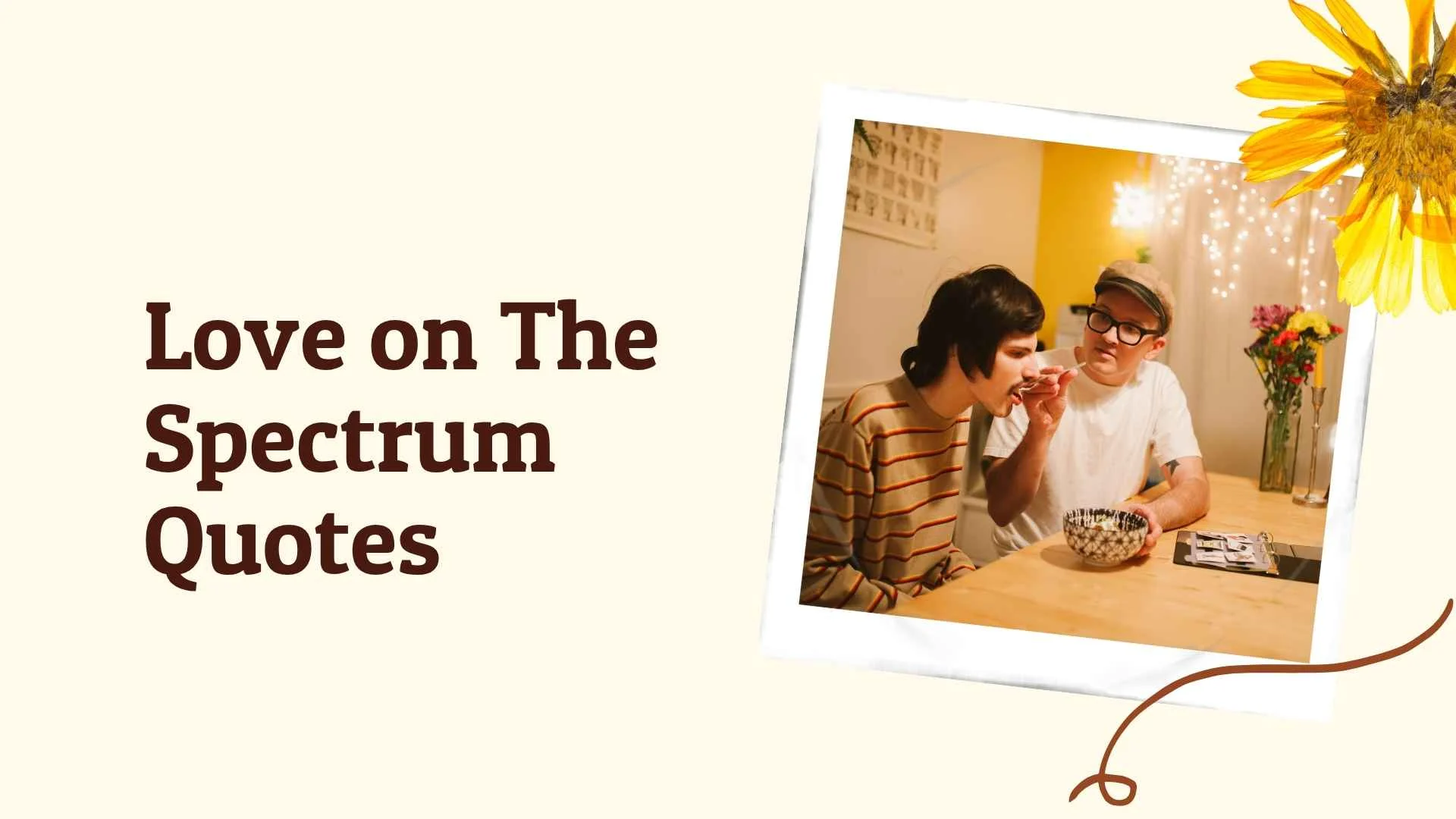
When I first look at love, I see something beyond perfection—I see honesty, courage, and real human connection.
You and I both know that love doesn’t always follow a straight path, especially when hearts communicate differently.
In the world of Love on the Spectrum, emotions are not hidden—they are expressed with pure sincerity.
I want you to feel how powerful it is when vulnerability becomes strength in relationships.
You will notice that every connection starts with understanding, not expectations.
Together, we explore love that is gentle, real, and beautifully unique in every way.
Self-Love and Acceptance in Neurodiverse Love
- “I am worthy of love exactly as I am, without changing my true self.”
Self-acceptance becomes the foundation of emotional safety in relationships.
Psychologically, it reduces anxiety and builds authentic confidence in dating.
: - “You don’t need to mask your personality to be accepted by someone.”
Masking often leads to emotional exhaustion and identity confusion.
True connection grows when authenticity is fully embraced.
: - “Loving myself first makes it easier for others to love me too.”
Self-love sets emotional boundaries and healthy expectations.
It creates stability in romantic attachment styles.
: - “I am not too different; I am just uniquely wired for love.”
Neurodiversity reframes difference as strength, not limitation.
This mindset improves emotional resilience and self-worth.
: - “You are allowed to take your time in understanding your feelings.”
Emotional pacing supports mental clarity and reduces pressure.
Healthy love respects individual processing speed.
: - “I don’t need approval to feel valuable in a relationship.”
External validation often weakens emotional independence.
Inner validation strengthens long-term relational stability.
: - “You are enough even on the days you struggle to connect.”
Self-compassion helps regulate emotional overwhelm.
It builds patience in both self and relationships.
: - “I choose kindness toward myself over criticism.”
Self-kindness reduces negative cognitive bias.
It fosters emotional healing and self-growth.
: - “You deserve love that understands your communication style.”
Compatibility is rooted in mutual understanding.
This reduces relational conflict and misinterpretation.
: - “I accept my journey, even if it looks different from others.”
Acceptance improves emotional regulation and confidence.
It encourages pride in personal identity.
:
First Dates and Emotional Nervousness
- “I feel nervous, but I still want to show up as myself.”
Anxiety is natural in new social experiences.
Courage grows when we act despite discomfort.
: - “You don’t have to be perfect to make a good first impression.”
Perfectionism increases social pressure and fear.
Authenticity creates stronger emotional connections.
: - “I may not know what to say, but my heart is honest.”
Honest communication builds trust faster than scripted speech.
It reduces social performance anxiety.
: - “You can take a pause before answering; that’s okay.”
Pausing improves cognitive processing and clarity.
It supports more meaningful conversations.
: - “I am learning how to connect, one moment at a time.”
Learning mindset reduces fear of failure.
It encourages gradual social development.
: - “You don’t need fancy words to express genuine interest.”
Simple communication often feels more sincere.
It strengthens emotional authenticity.
: - “I feel seen when someone listens without judgment.”
Active listening builds emotional safety.
It strengthens relational bonding.
: - “You are allowed to feel shy and still be confident.”
Shyness and confidence can coexist.
This balance improves self-expression.
: - “I value honesty over pretending to impress.”
Impression management can hinder real connection.
Honesty builds long-term trust.
: - “You deserve someone who appreciates your quiet moments.”
Compatibility includes acceptance of silence.
It reduces pressure in social interaction.
:
Communication and Honest Expression
- “I speak best when I feel safe to be myself.”
Psychological safety improves communication clarity.
It reduces fear-based expression.
: - “You don’t have to guess my feelings—I will try to share them.”
Direct communication reduces misunderstanding.
It strengthens emotional transparency.
: - “I am learning to express what I feel inside.”
Emotional labeling improves self-awareness.
It supports healthier relationships.
: - “You listening patiently helps me open up more.”
Patience enhances emotional trust-building.
It encourages deeper conversation.
: - “I may communicate differently, but my feelings are real.”
Different expression styles still carry emotional truth.
This improves empathy in relationships.
: - “You don’t need to fix me, just understand me.”
Validation is more powerful than solutions.
It reduces emotional pressure.
: - “I try my best to be clear, even when it’s hard.”
Effort in communication builds relational respect.
It fosters mutual understanding.
: - “You make it easier for me to speak openly.”
Safe relationships encourage emotional honesty.
It improves attachment security.
: - “I need time to find the right words.”
Processing time enhances message accuracy.
It reduces communication stress.
: - “You and I can learn each other’s language of love.”
Love languages vary across individuals.
Understanding them strengthens intimacy.
:
Neurodiversity and Authentic Connection
- “I experience love in a deeply honest and unique way.”
Neurodiverse love emphasizes sincerity over social norms.
It enhances emotional authenticity.
: - “You see me for who I am, not who I pretend to be.”
Authentic acceptance builds strong attachment.
It reduces emotional masking.
: - “I connect through details others might overlook.”
Attention to detail enhances emotional perception.
It enriches relational depth.
: - “You make space for my differences, and that feels like love.”
Acceptance reduces emotional insecurity.
It builds relational safety.
: - “I don’t compare my love journey to others.”
Comparison increases emotional dissatisfaction.
Self-paced growth improves well-being.
: - “You and I may be different, but we still understand love.”
Shared emotional values bridge differences.
It fosters meaningful bonding.
: - “I find comfort in routines that help me connect.”
Structure reduces emotional uncertainty.
It supports stable relationships.
: - “You respect my way of feeling the world.”
Respect enhances emotional validation.
It strengthens trust.
: - “I love deeply, even if I show it differently.”
Love expression varies across individuals.
It should not be misinterpreted.
: - “You help me feel that being different is beautiful.”
Positive reinforcement improves self-image.
It encourages self-acceptance.
:
Family and Emotional Support Systems
- “I grow stronger when my family understands my journey.”
Family support improves emotional resilience.
It enhances confidence in relationships.
: - “You being supportive makes me feel less alone.”
Support reduces emotional isolation.
It builds psychological stability.
: - “I need encouragement, not pressure, to open my heart.”
Pressure increases emotional withdrawal.
Encouragement improves openness.
: - “You believe in me even when I doubt myself.”
External belief strengthens self-esteem.
It supports emotional healing.
: - “I feel safer when love is patient and kind.”
Patience lowers anxiety in relationships.
It builds trust over time.
: - “You help me understand my emotions better.”
Guided reflection improves emotional intelligence.
It supports self-awareness.
: - “I learn love from the way I am treated at home.”
Early environment shapes attachment style.
It influences adult relationships.
: - “You accepting me gives me courage to try again.”
Acceptance fosters emotional resilience.
It reduces fear of rejection.
: - “I am not alone when I have people who listen.”
Listening strengthens emotional connection.
It builds belongingness.
: - “You remind me that love can be safe and gentle.”
Safe love improves mental well-being.
It reduces emotional stress.
:
Friendship and Emotional Connection
- “I value friends who understand my silence.”
Comfortable silence indicates emotional safety.
It strengthens friendship bonds.
: - “You don’t need to talk always to feel connected.”
Non-verbal connection is emotionally valid.
It deepens relational comfort.
: - “I feel happy when someone includes me without pressure.”
Inclusion improves social confidence.
It reduces isolation feelings.
: - “You being kind matters more than being loud.”
Kindness builds stronger emotional trust.
It enhances friendship stability.
: - “I enjoy friendships that don’t force me to change.”
Acceptance improves authenticity.
It supports emotional security.
: - “You understanding my boundaries means everything.”
Boundaries protect emotional health.
It fosters mutual respect.
: - “I connect best with people who are patient.”
Patience improves communication flow.
It reduces social anxiety.
: - “You make friendship feel easy and safe.”
Safety enhances emotional openness.
It strengthens bonds.
: - “I don’t need many friends, just real ones.”
Quality relationships outweigh quantity.
It improves emotional satisfaction.
: - “You and I can share quiet joy together.”
Shared calmness builds deeper connection.
It enhances emotional grounding.
:
Rejection and Emotional Resilience
- “I may feel hurt, but I still believe in love.”
Resilience grows through emotional recovery.
It maintains hope in relationships.
: - “You can’t define my worth by one rejection.”
Rejection is not identity-defining.
It strengthens self-esteem.
: - “I learn something from every emotional experience.”
Growth mindset improves psychological strength.
It builds wisdom in love.
: - “You not choosing me doesn’t make me less valuable.”
Self-worth remains independent of acceptance.
It supports emotional stability.
: - “I give myself permission to heal slowly.”
Healing requires emotional patience.
It prevents suppression of feelings.
: - “You and I both deserve love that fits us.”
Compatibility is essential in relationships.
It reduces emotional mismatch.
: - “I am still worthy even after disappointment.”
Worth is constant, not conditional.
It builds resilience.
: - “You teach me what I truly need in love.”
Experience refines emotional awareness.
It improves future relationships.
: - “I can feel pain and still move forward.”
Emotional endurance strengthens character.
It encourages growth.
: - “You help me see rejection as redirection.”
Cognitive reframing improves coping.
It reduces emotional distress.
:
Emotional Vulnerability and Trust
- “I open my heart slowly, but honestly.”
Slow trust-building increases relational depth.
It enhances emotional safety.
: - “You make me feel safe enough to be vulnerable.”
Safety encourages emotional openness.
It strengthens intimacy.
: - “I don’t hide my feelings when I trust you.”
Trust reduces emotional masking.
It builds authentic bonds.
: - “You listening without judgment heals me.”
Non-judgmental listening supports healing.
It improves emotional regulation.
: - “I share my world when I feel understood.”
Understanding encourages disclosure.
It deepens connection.
: - “You holding space for my emotions means love.”
Emotional space is a form of care.
It strengthens attachment.
: - “I am brave when I express what I feel.”
Vulnerability requires courage.
It fosters personal growth.
: - “You help me trust love again.”
Positive experiences rebuild trust.
It repairs emotional wounds.
: - “I don’t fear being myself with you.”
Safety reduces emotional anxiety.
It enhances authenticity.
: - “You and I create trust step by step.”
Trust develops gradually over time.
It ensures stability.
:
Hope and Long-Term Love
- “I believe love can grow in understanding.”
Growth-based love improves longevity.
It strengthens emotional bonds.
: - “You staying patient gives love time to bloom.”
Patience supports relationship development.
It enhances emotional depth.
: - “I dream of a love that feels safe and steady.”
Stability is key in long-term attachment.
It reduces emotional uncertainty.
: - “You and I can build something meaningful together.”
Shared effort strengthens commitment.
It fosters partnership growth.
: - “I don’t rush love; I let it grow naturally.”
Natural pacing improves compatibility.
It reduces pressure.
: - “You make me believe in lasting connection.”
Positive reinforcement builds hope.
It strengthens emotional trust.
: - “I want love that understands my rhythm.”
Compatibility includes emotional timing.
It improves relational harmony.
: - “You bring calmness into my emotional world.”
Calm relationships support mental health.
It enhances stability.
: - “I see love as something we build together.”
Co-creation strengthens bonds.
It promotes teamwork.
: - “You and I can grow love that lasts.”
Long-term love requires mutual effort.
It ensures emotional sustainability.
:
Everyday Romance and Small Moments

- “I find love in simple daily gestures.”
Small actions build emotional connection.
It strengthens intimacy.
: - “You smiling at me feels like comfort.”
Positive cues enhance bonding.
It improves emotional closeness.
: - “I enjoy quiet moments more than grand gestures.”
Simplicity reduces emotional overload.
It increases satisfaction.
: - “You sitting beside me feels like enough.”
Presence is powerful in relationships.
It builds connection.
: - “I notice small details that show care.”
Attention to detail strengthens attachment.
It deepens emotional awareness.
: - “You remembering little things means a lot.”
Memory in relationships signals value.
It increases trust.
: - “I feel love in everyday routines.”
Routine creates emotional stability.
It enhances comfort.
: - “You and I share comfort in ordinary moments.”
Shared normalcy builds intimacy.
It fosters belonging.
: - “I don’t need big events to feel loved.”
Emotional consistency matters more than intensity.
It supports security.
: - “You make ordinary days feel special.”
Emotional meaning transforms experiences.
It strengthens affection.
:
Frequently Asked Questions
What is Love on the Spectrum about?
It is a documentary-style series showing autistic individuals navigating dating and relationships with honesty and emotional depth.
Why is neurodiverse love important?
It highlights that love is universal and shows how differently wired minds still form deep emotional bonds.
Is dating harder for autistic individuals?
Challenges exist in communication and social cues, but meaningful relationships are absolutely possible with understanding partners.
What can we learn from the show?
We learn empathy, patience, authenticity, and that love thrives when people are accepted as they truly are.
Conclusion
Love in Love on the Spectrum teaches us that connection is not about perfection but understanding.
Every emotion shown is real, raw, and deeply human in its expression.
You and I realize that love grows stronger when judgment is replaced with patience.
It reminds us that differences are not barriers but beautiful ways of experiencing life.
In the end, love is simply two people choosing to understand each other every day.

I am Ethan Whitmore, a writer who believes that words have the power to inspire, motivate, and bring people closer to their dreams. I love creating meaningful content that captures emotions, life lessons, and moments of reflection. My writing focuses on confidence, personal growth, relationships, and the simple truths that make life beautiful.
Through my books, I share stories and ideas that encourage readers to stay strong, embrace challenges, and find inspiration in everyday experiences. My goal is to create words that connect with hearts and leave a lasting impact.
Books by Ethan Whitmore:
- The Confidence Edge: Bold Moves for Unshakable Self-Belief
- Resilient by Design: Proven Strategies to Thrive Through Life’s Challenges
 Amelia Hartwell
 lio massi