Waiting for love quotes can put into words the feelings that are hard to explain. I know how it feels to hope for someone special, to wonder when love will finally find you, and to quietly wish for a connection that feels real. You may be waiting too, holding onto hope while life keeps moving forward.
Sometimes, the hardest part is not being alone—it is waiting for the person who makes your heart feel understood. You may smile, stay busy, and tell everyone that you are fine, but deep inside, you are still hoping someone will come along and choose you, stay with you, and love you sincerely. I know that kind of waiting can hurt, but your heart still deserves a love worth waiting for.
I believe waiting for love is also a journey of learning to value yourself. You do not have to rush into the wrong relationship just because you are tired of waiting. These waiting for love quotes are here to remind you that your feelings matter, your hope is meaningful, and sometimes the most beautiful love story begins after a long season of waiting.
Waiting for Love and Emotional Patience
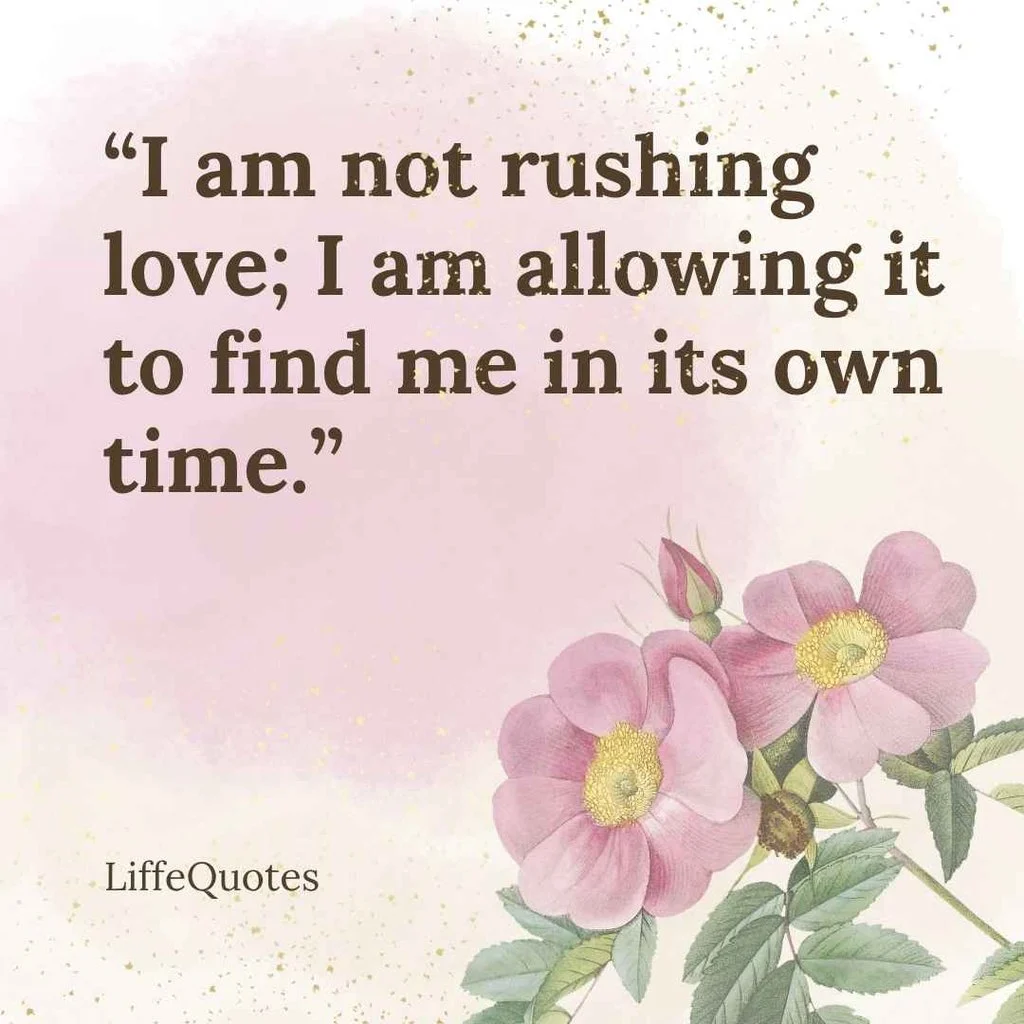
- “I am not rushing love; I am allowing it to find me in its own time.”
Waiting teaches emotional discipline and reduces impulsive attachment patterns.
It reflects psychological maturity in handling delayed gratification.
: - “Every silent day is shaping my heart for something real.”
Silence becomes a training ground for emotional resilience.
The mind learns patience through absence and reflection.
: - “I wait because I believe love should never feel forced.”
Forced emotions often lead to unstable relationships.
Healthy waiting builds authentic emotional alignment.
: - “Patience is not weakness; it is quiet strength in disguise.”
It reframes waiting as empowerment instead of helplessness.
Psychological strength often grows in delayed outcomes.
: - “My heart learns timing better than my impatience ever could.”
Emotional intelligence develops through self-control.
It highlights trust in natural relationship timing.
: - “Waiting is my way of respecting what love truly means.”
Respecting love prevents emotional shortcuts and regrets.
It builds deeper relational values over time.
: - “I choose patience over temporary connections.”
This reduces attachment to unstable emotional bonds.
It supports long-term relational satisfaction.
: - “Love will come when both hearts are ready, not just one.”
Mutual readiness is key in healthy bonding.
Psychology emphasizes emotional synchronization in relationships.
: - “I trust the pause, because it has a purpose.”
Pauses in life often signal emotional restructuring.
It encourages acceptance of uncertainty.
: - “Waiting is not wasting; it is preparing.”
Reframes waiting as personal development.
Builds hope through purposeful emotional framing.
:
Silent Loneliness and Inner Conversations
- “I talk to you in my silence more than I do in reality.”
Inner dialogue reflects unresolved emotional attachment.
It shows how memory sustains emotional presence.
: - “Loneliness is just love without a place to go.”
It explains emotional displacement of affection.
Psychology links loneliness to unmet attachment needs.
: - “My thoughts carry your name when my voice cannot.”
Suppressed expression often becomes internalized emotion.
It reveals deep cognitive emotional bonding.
: - “Silence is loud when the heart is full of memories.”
Emotional recall intensifies in quiet environments.
It reflects nostalgia-driven thinking patterns.
: - “I smile outside while my heart waits inside.”
Emotional masking is a common coping mechanism.
It separates external behavior from internal feelings.
: - “Every quiet night knows your absence better than I do.”
Nighttime amplifies emotional awareness and longing.
It increases reflective psychological states.
: - “I have learned to live with conversations that never happen.”
Imagined dialogue is a form of emotional processing.
It helps manage unresolved attachment.
: - “My silence is full of words only you understand.”
Emotional exclusivity strengthens imagined connection.
It highlights selective emotional focus.
: - “Even alone, I am still waiting with you in my thoughts.”
Cognitive attachment persists despite physical absence.
It reflects enduring emotional bonding.
: - “Loneliness feels like love paused mid-sentence.”
Emotional incompleteness creates psychological tension.
It represents interrupted emotional expression.
:
Hope That Love Will Return
- “I believe love always finds its way back.”
Hope sustains emotional resilience in uncertainty.
It strengthens long-term attachment optimism.
: - “What is meant for me will recognize me again.”
Suggests destiny-based emotional closure.
It reinforces belief in emotional return cycles.
: - “I wait with hope, not fear.”
Hope reduces anxiety-driven attachment behavior.
It encourages positive emotional framing.
: - “Love never truly leaves; it just pauses.”
Maintains continuity in emotional bonding theory.
It softens the pain of separation.
: - “Every ending carries the seed of return.”
Psychological optimism shapes emotional endurance.
It promotes resilience in relationships.
: - “I trust that love remembers me too.”
Mutual emotional recall strengthens attachment belief.
It supports cognitive emotional reciprocity.
: - “Hope keeps my heart from giving up.”
Hope acts as emotional stabilizer.
It prevents despair-driven decisions.
: - “Distance cannot erase what was real.”
Emotional memory persists beyond physical separation.
It reinforces attachment continuity.
: - “I wait because something in me still believes.”
Belief sustains emotional investment.
It reflects inner conviction psychology.
: - “Love returns when hearts are ready again.”
Emotional readiness influences reconnection timing.
It highlights relational timing alignment.
:
Distance and Longing in Relationships
- “Distance only makes my feelings louder.”
Separation intensifies emotional awareness.
It increases cognitive focus on attachment.
: - “I miss you in places you’ve never been.”
Emotional imagination extends beyond shared experiences.
It reflects deep longing psychology.
: - “Miles cannot measure emotional connection.”
Emotional bonds transcend physical boundaries.
It supports non-physical attachment theory.
: - “Every kilometer between us feels like a memory.”
Distance converts into emotional symbolism.
It strengthens nostalgic association.
: - “I wait across space, but not across love.”
Love remains constant despite physical separation.
It reinforces emotional continuity.
: - “Longing is love stretched across silence.”
Emotional stretching increases internal attachment.
It represents absence-driven affection.
: - “You are far, but never absent in my heart.”
Cognitive presence overrides physical distance.
It reflects mental representation theory.
: - “Distance teaches me how deeply I feel.”
Separation intensifies emotional clarity.
It promotes self-awareness in love.
: - “Every night feels longer without you.”
Time perception changes with emotional state.
It shows affective time distortion.
: - “I am waiting where love left me standing.”
Emotional pause creates psychological anchoring.
It highlights unresolved attachment.
:
Self-Love While Waiting
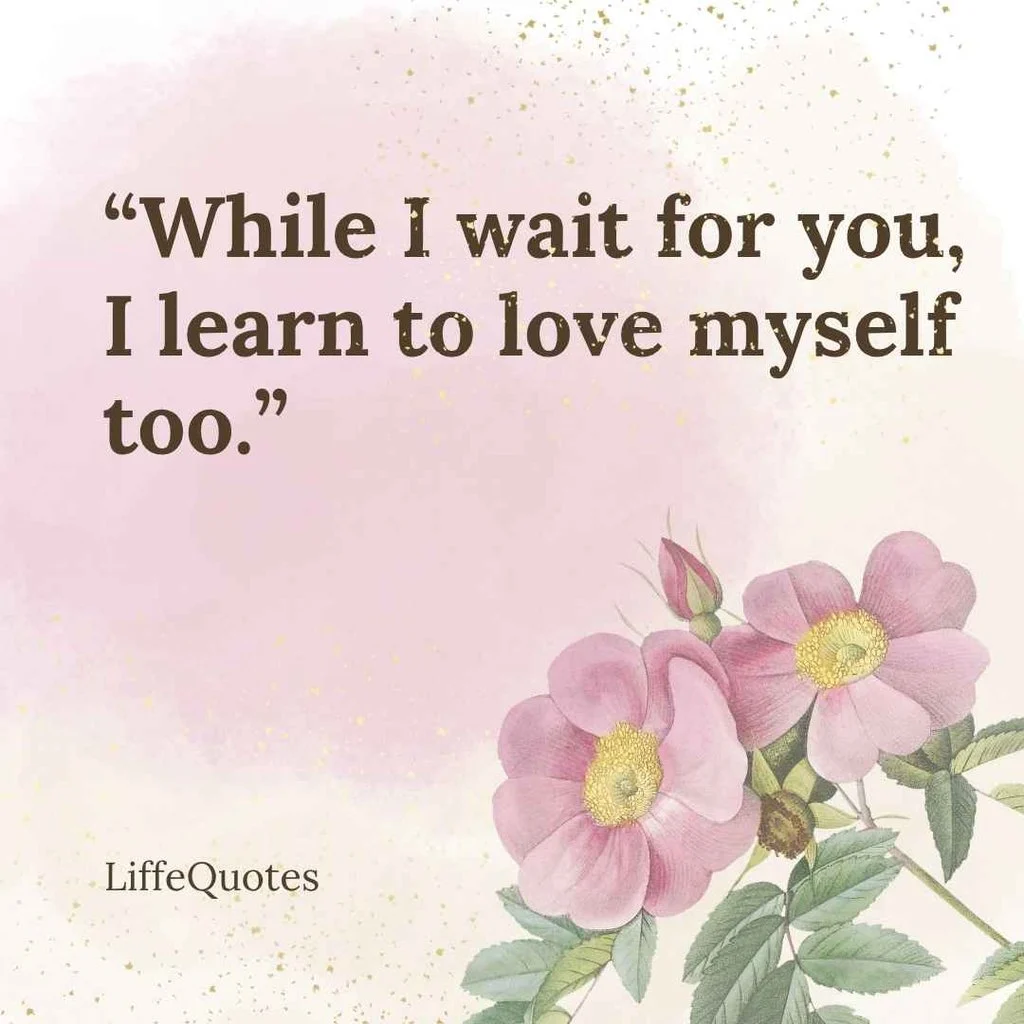
- “While I wait for you, I learn to love myself too.”
Self-growth balances emotional dependency.
It promotes healthy attachment development.
: - “I am not incomplete without love; I am becoming.”
Identity strengthens beyond relationship status.
It encourages self-concept expansion.
: - “Waiting taught me my own worth.”
Reflection enhances self-esteem development.
It supports emotional independence.
: - “I will not lose myself in waiting for someone else.”
Protects against emotional over-dependence.
It reinforces psychological boundaries.
: - “My love for myself grows while I wait for yours.”
Parallel emotional development occurs.
It balances self and external love.
: - “I am my own beginning before anyone arrives.”
Self-identity precedes romantic attachment.
It strengthens emotional autonomy.
: - “Waiting does not define me; I define myself.”
Identity is independent of relationships.
It builds self-determination mindset.
: - “I choose healing while I wait.”
Healing reduces emotional stagnation.
It promotes recovery-oriented thinking.
: - “My heart is whole even in waiting.”
Wholeness reduces emotional desperation.
It supports secure attachment style.
: - “I am enough, even before love arrives.”
Self-worth exists independently of external validation.
It reinforces self-acceptance psychology.
:
Faith in Timing and Destiny
- “Everything arrives when it is meant to.”
Encourages acceptance of life timing.
It reduces control-related anxiety.
: - “I trust the universe’s timing for my love story.”
Externalizes timing beyond personal control.
It fosters emotional surrender.
: - “Destiny does not rush, it aligns.”
Alignment replaces urgency in relationships.
It reflects relational synchronicity.
: - “What is mine will not miss me.”
Strengthens belief in destined connection.
It reduces fear of loss.
: - “Timing makes love either fragile or forever.”
Timing influences relationship stability.
It highlights psychological readiness.
: - “I wait because something greater is unfolding.”
Promotes meaning-making during uncertainty.
It supports cognitive reappraisal.
: - “Love delayed is not love denied.”
Reframes waiting as positive delay.
It sustains hope psychology.
: - “The right heart arrives at the right time.”
Synchronization is key in attachment success.
It emphasizes compatibility timing.
: - “I trust what I cannot yet see.”
Builds faith-based emotional resilience.
It reduces uncertainty stress.
: - “My story is still being written by time.”
Life viewed as ongoing narrative.
It enhances patience mindset.
:
Heartbreak and Emotional Healing
- “I am healing while I wait for what hurt me.”
Healing coexists with emotional attachment.
It supports recovery psychology.
: - “Even broken hearts still know how to hope.”
Hope persists despite emotional damage.
It reflects resilience theory.
: - “Pain taught me how deeply I loved.”
Emotional pain reflects attachment depth.
It validates emotional experience.
: - “I wait, but I am not the same anymore.”
Transformation occurs through heartbreak.
It shows emotional evolution.
: - “Healing is part of my waiting.”
Integrates recovery into patience.
It promotes emotional integration.
: - “Some love stories heal before they return.”
Healing precedes reconciliation possibility.
It supports relational repair theory.
: - “My heart is learning to breathe again.”
Emotional recovery restores stability.
It reflects post-trauma growth.
: - “I survived what I thought I couldn’t.”
Builds emotional self-efficacy.
It strengthens resilience belief.
: - “Waiting helped me find closure within myself.”
Closure becomes internally generated.
It reduces dependency on others.
: - “I am healing, not forgetting.”
Differentiates healing from erasure.
It supports healthy emotional processing.
:
Night Thoughts and Overthinking Love
- “Night brings every thought of you back.”
Nighttime increases emotional rumination.
It amplifies attachment memory recall.
: - “My mind travels to you when the world sleeps.”
Reduced distractions intensify emotional focus.
It reflects cognitive looping.
: - “Overthinking is my heart trying to understand silence.”
Anxiety-driven cognition seeks meaning.
It shows uncertainty processing.
: - “I replay moments that never ended properly.”
Mental repetition aids emotional processing.
It highlights unresolved attachment loops.
: - “Night makes waiting feel heavier.”
Time perception intensifies emotional weight.
It increases vulnerability states.
: - “My thoughts keep your memory awake.”
Memory persistence reflects deep bonding.
It shows emotional encoding strength.
: - “I overthink because I still care.”
Care drives cognitive rumination.
It reflects emotional investment.
: - “Every night is a conversation I cannot finish.”
Incomplete expression leads to mental looping.
It represents cognitive closure seeking.
: - “Silence at night speaks the loudest.”
Emotional amplification occurs in quiet.
It enhances introspective awareness.
: - “I lose sleep waiting for answers from love.”
Anxiety affects physiological rest.
It links emotion and sleep disruption.
:
Trust and Loyalty While Waiting
- “I stay loyal even when I am unsure.”
Loyalty persists despite uncertainty.
It reflects attachment commitment.
: - “Trust is what keeps me waiting.”
Trust sustains emotional patience.
It reduces insecurity-driven behavior.
: - “I believe in love that does not rush away.”
Stability is tied to trust.
It supports secure relational models.
: - “Even absence cannot break my loyalty.”
Emotional continuity remains intact.
It shows strong attachment bonds.
: - “I wait because my heart chose you once.”
Initial choice reinforces commitment.
It reflects decision consistency bias.
: - “Trust makes distance bearable.”
Trust reduces emotional distress.
It stabilizes relational anxiety.
: - “I am still yours in the way I feel.”
Emotional ownership persists beyond presence.
It reflects enduring attachment.
: - “Waiting is my way of staying true.”
Loyalty expressed through patience.
It reinforces value-based commitment.
: - “My heart does not switch easily.”
Emotional stability reduces impulsivity.
It shows attachment consistency.
: - “I trust love more than fear.”
Trust overrides anxiety responses.
It supports emotional regulation.
:
New Beginnings After Waiting
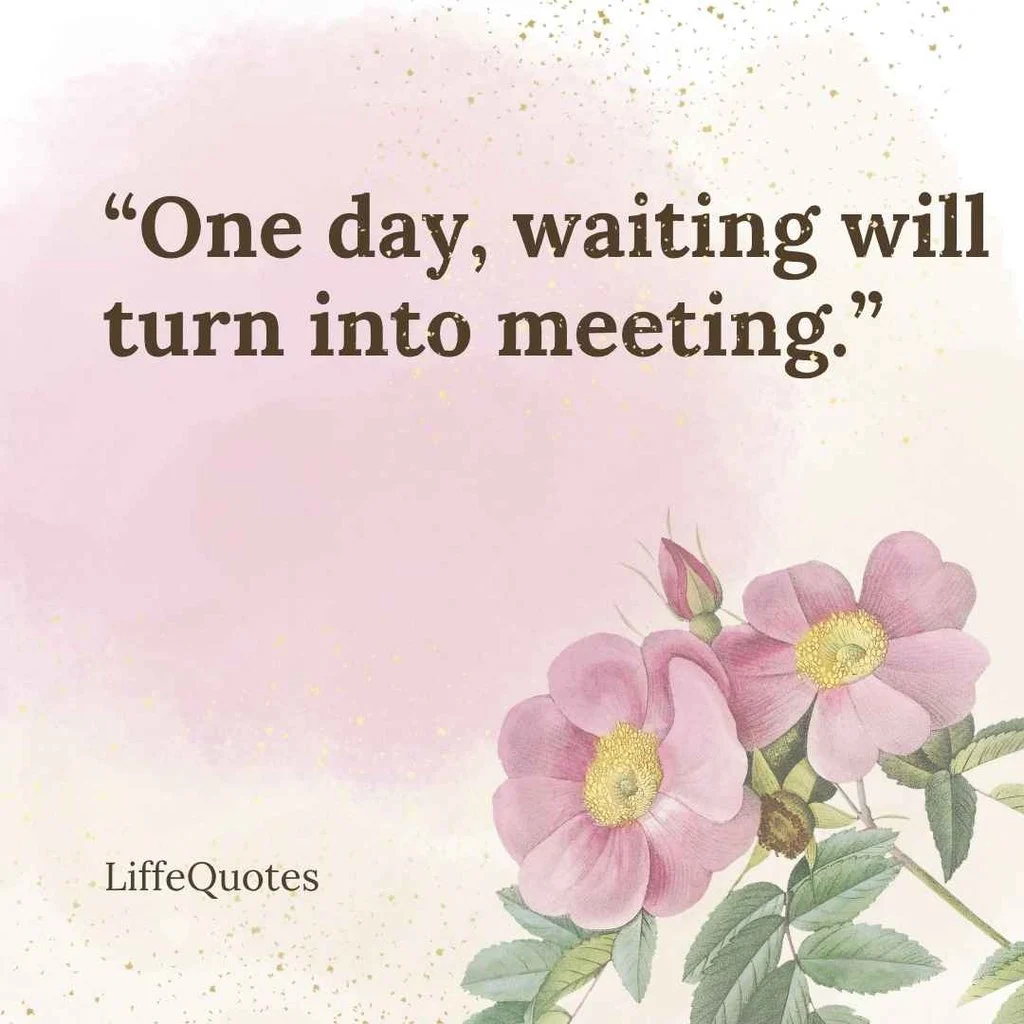
- “One day, waiting will turn into meeting.”
Transition from expectation to reality.
It reflects hopeful closure.
: - “Every wait has a beginning that arrives.”
Cycles of waiting end in resolution.
It promotes temporal optimism.
: - “Love finds me when I stop chasing.”
Suggests attraction through non-striving.
It reflects acceptance psychology.
: - “What I waited for finally waited for me too.”
Mutual arrival completes emotional cycle.
It reinforces relational alignment.
: - “My patience will one day become a story.”
Experience transforms into meaning.
It supports narrative identity theory.
: - “Waiting ends where love begins again.”
Closure leads to renewal.
It emphasizes emotional rebirth.
: - “I am ready for the love I waited for.”
Readiness marks emotional maturity.
It reflects preparedness psychology.
: - “Every ending of waiting is a beginning of love.”
Transition from absence to presence.
It highlights cyclical emotional flow.
: - “I waited, and now I am open.”
Openness indicates healing completion.
It supports secure attachment readiness.
: - “Love arrives quietly after long patience.”
Patience leads to subtle emotional fulfillment.
It reinforces delayed gratification reward.
:
Frequently Asked Questions
Why do people resonate with waiting for love quotes?
They reflect emotional reality and help people process longing and hope in relationships.
Is waiting for love healthy psychologically?
It is healthy when balanced with self-growth and not rooted in obsession or dependency.
How can waiting for love help personal growth?
It builds patience, emotional intelligence, and deeper self-awareness over time.
Do waiting for love quotes actually help healing?
Yes, they provide emotional validation and comfort during periods of loneliness.
Conclusion
Waiting for love is not a weakness but a quiet form of strength.
It teaches patience, self-awareness, and emotional resilience in silence.
Every moment of waiting shapes your heart into something more meaningful.
Even in loneliness, love continues to grow within unseen spaces.
And when it finally arrives, the wait becomes part of your beautiful story.

I am Ethan Whitmore, a writer who believes that words have the power to inspire, motivate, and bring people closer to their dreams. I love creating meaningful content that captures emotions, life lessons, and moments of reflection. My writing focuses on confidence, personal growth, relationships, and the simple truths that make life beautiful.
Through my books, I share stories and ideas that encourage readers to stay strong, embrace challenges, and find inspiration in everyday experiences. My goal is to create words that connect with hearts and leave a lasting impact.
Books by Ethan Whitmore:
- The Confidence Edge: Bold Moves for Unshakable Self-Belief
- Resilient by Design: Proven Strategies to Thrive Through Life’s Challenges
 Amelia Hartwell
 lio massi